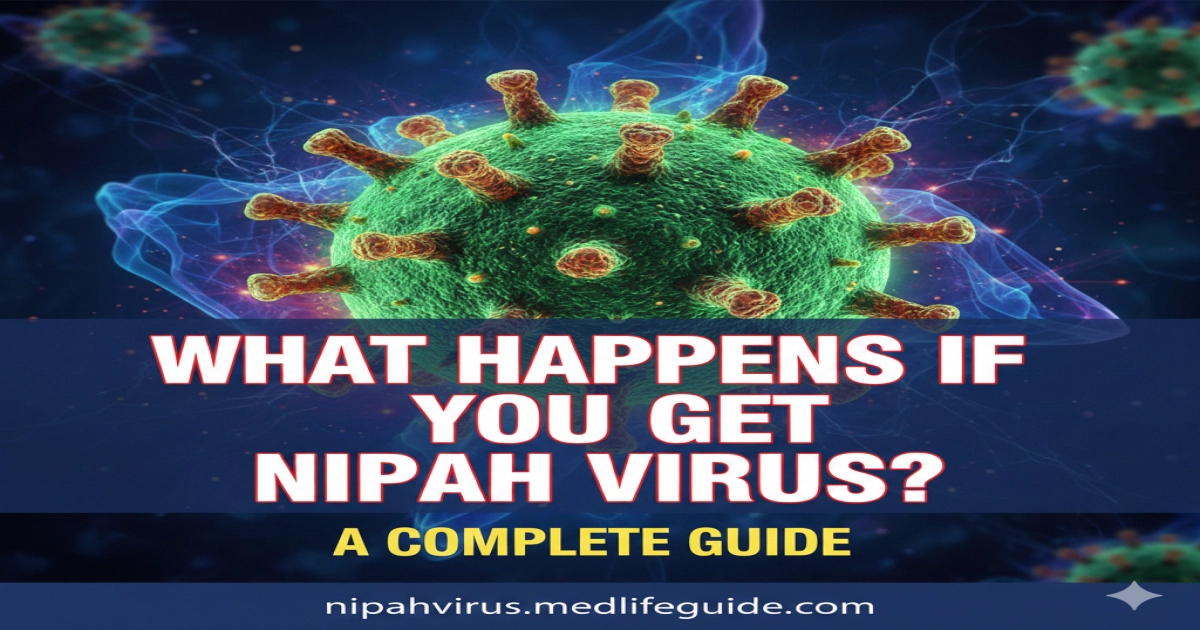
If you get the Nipah virus, you will likely experience a rapid onset of severe illness that starts with flu-like symptoms but can quickly lead to brain swelling or death. Early signs include fever, headache, and cough, but the virus often progresses to “encephalitis,” which causes confusion, seizures, and a coma within 24 to 48 hours. Because there is currently no specific cure or vaccine for Nipah, medical care focuses on managing these symptoms in a hospital setting. The virus is highly dangerous, with a death rate estimated between 40% and 75% depending on the outbreak.
Understanding the Nipah Virus Threat
The Nipah virus (NiV) is a “zoonotic” virus, meaning it jumps from animals to humans. It was first found in 1999 during an outbreak in Malaysia and Singapore. Back then, it spread from pigs to farmers. Today, we know the primary natural hosts are fruit bats (Pteropodidae family).
While it is rare, it is one of the viruses that scientists watch most closely. The World Health Organization (WHO) lists it as a priority disease because it has the potential to cause a pandemic. If you live in or travel to areas where fruit bats are common, such as parts of India, Bangladesh, or Southeast Asia, knowing what happens if you catch it is vital for your safety.
The Timeline: From Infection to First Symptoms
When the virus enters your body, it doesn’t make you sick right away. This “waiting period” is called the incubation period.
- Average Wait: Most people start feeling sick 4 to 14 days after being exposed.
- Long Wait: In some rare cases, the virus can stay quiet for up to 45 days before the first symptom appears.
During this time, the virus is replicating inside your cells, preparing to attack your respiratory system and your brain.
Phase 1: The Initial Symptoms (Days 1–3)
The first signs of Nipah often look like a bad case of the flu. Many people mistake it for a common cold or even COVID-19. You might experience:
- High Fever: A sudden, burning temperature that won’t go down with basic medicine.
- Muscle Pain: Your body feels heavy and sore, especially in your back and legs.
- Severe Headache: A pounding pain that makes it hard to look at bright lights.
- Sore Throat and Cough: You may feel like you have a chest infection.
At this stage, many people do not realize how serious the situation is. However, for Nipah, this is just the beginning of the attack on the body.
Phase 2: The Neurological Attack (Days 4–7)
This is the most dangerous part of what happens if you get the Nipah virus. The virus moves into the central nervous system. This causes the brain to swell, a condition called encephalitis.
Watch for these red flags:
- Dizziness and Disorientation: You might feel “foggy” or forget where you are.
- Altered Consciousness: People around you might notice you aren’t making sense when you speak.
- Acute Respiratory Distress: Your lungs may begin to fail, making it feel like you can’t get enough air.
- Seizures: The brain swelling can cause uncontrollable shaking or fits.
If the swelling continues, it leads to a coma. This progression can happen incredibly fast—sometimes in less than 24 hours after the confusion starts.
How Does the Virus Spread?
To understand how to stay safe, you must know how the virus moves. You cannot get Nipah from the air like a cold, but you can get it through:
- Contaminated Food: Eating fruit or drinking raw date palm juice that has been touched by infected bat saliva or urine.
- Animal Contact: Touching sick pigs or bats.
- Human-to-Human Spread: This usually happens in families or hospitals when people touch the body fluids (blood, urine, or saliva) of a sick person.
Survival and Long-Term Effects
If you are among the survivors, the journey is not over. About 20% of people who survive the initial infection deal with long-term neurological issues. These can include:
- Frequent Seizures: Even after the virus is gone, the brain may remain “scarred.”
- Personality Changes: Damage to the brain can change how a person acts or feels.
- Dormant Infections: In very rare cases, the virus can “wake up” years later and cause death. This is known as “relapsed encephalitis.”
Treatment: What Can Doctors Do?
Currently, there is no “magic pill” for Nipah. If you are hospitalized, doctors will provide “supportive care.” This means:
- Hydration: Keeping your fluids up through an IV.
- Oxygen: Using a ventilator if your lungs are struggling.
- Seizure Control: Giving medicine to stop the brain from misfiring.
Scientists are working on “monoclonal antibodies” and new vaccines, but these are mostly in the testing phase and are not widely available yet.
How to Prevent Nipah Infection
Since there is no cure, prevention is your best weapon. Follow these simple steps:
- Wash Fruit Thoroughly: Peel all fruit and wash it under running water.
- Avoid Raw Juice: Never drink raw date palm sap, as bats often contaminate the collection pots at night.
- Stay Away from Bats: Do not go into caves or areas where bats roost.
- Wash Hands: Use soap and water frequently, especially after visiting someone in the hospital.
Summary Table: Nipah Virus Quick Facts
| Feature | Details |
|---|---|
| Fatality Rate | 40% to 75% |
| Main Carrier | Fruit Bats |
| Key Symptom | Brain Swelling (Encephalitis) |
| Incubation | 4 to 14 days |
| Treatment | Supportive care only |
Critical Takeaways for Staying Safe
If you suspect you have been exposed to the Nipah virus, do not wait. Seek medical help immediately. Tell the doctor if you have traveled or eaten unwashed fruit. Early hospital care is the only way to increase your chances of survival. Stay informed, keep your food clean, and avoid contact with sick animals or people showing symptoms of high fever and confusion.
Medical Disclaimer
All content published on nipahvirus.medlifeguide is intended for informational and educational purposes only and does not substitute professional medical advice, diagnosis, or treatment. Always consult a qualified healthcare provider regarding any medical condition, symptoms, or treatment decisions.