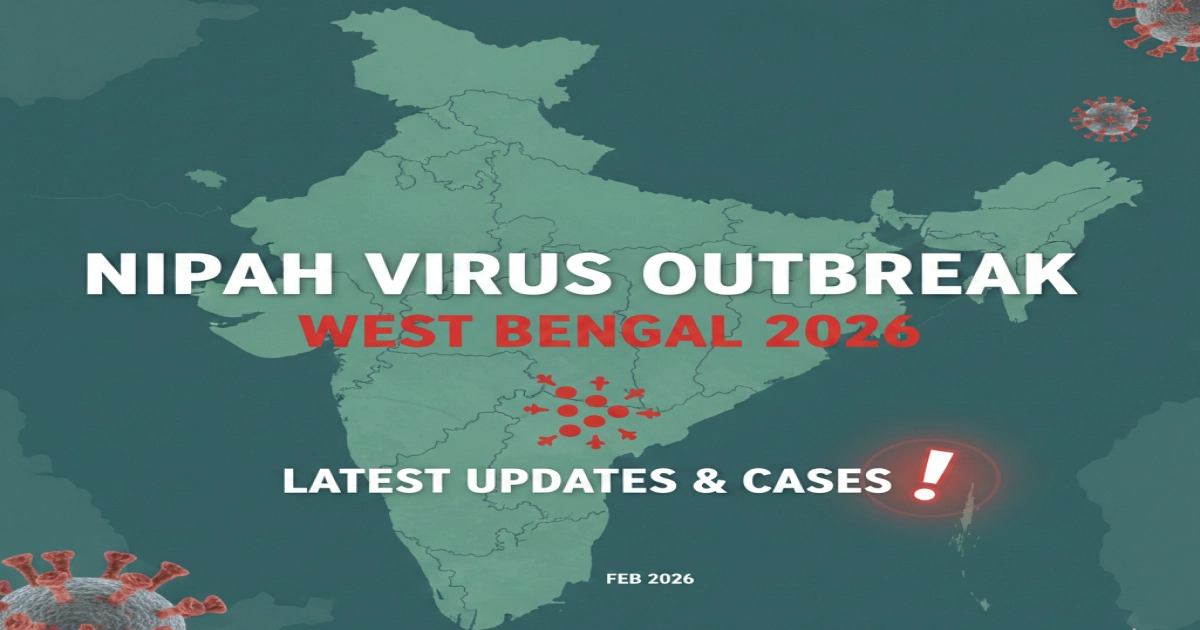
As of late January 2026, India has confirmed two cases of Nipah virus (NiV) infection in West Bengal state, marking the latest outbreak of this highly fatal zoonotic disease.
The World Health Organization (WHO) was notified on January 26, 2026, sparking heightened vigilance across Asia with airport screenings implemented in several countries.
This outbreak has renewed global attention on Nipah virus due to its high case fatality rate (40-75%) and potential for human-to-human transmission.
Here’s everything you need to know about the current situation, risks, and prevention measures.
Current Outbreak Details
- Confirmed Cases: Two epidemiologically linked cases, both 25-year-old healthcare workers (nurses) in West Bengal. dvm360.com +1
- Timeline: Symptoms began in late December 2025, with rapid deterioration leading to hospitalization in early January 2026. Patients experienced severe neurological complications. cdc.gov.au
- Contacts: Approximately 196 close contacts have been traced and are under monitoring. bbc.com
- Location: The cases are localized in West Bengal, with no evidence of widespread community transmission so far.
Healthcare workers like these nurses are at higher risk during outbreaks, emphasizing the need for strict PPE usage.
Regional and International Response
Several Asian countries have stepped up measures:
- Airport thermal screenings and health declarations for travelers from India (e.g., Thailand, Malaysia, Singapore). reuters.com
- WHO assesses the risk of further spread as low and does not recommend travel or trade restrictions.
Enhanced airport screenings in Asia are a precautionary response to the West Bengal cases.
Background on Nipah Virus
Nipah virus is carried naturally by fruit bats (Pteropus species, also known as flying foxes) and can spread to humans through contaminated food or direct contact.
Fruit bats are the primary reservoir—no symptoms in bats, but they shed the virus in saliva and urine.
Human-to-human transmission occurs via close contact with bodily fluids, often in healthcare or family settings.
Symptoms of Nipah Virus Infection
Early signs appear 4-14 days after exposure:
- Fever and headache
- Drowsiness, disorientation, and confusion
- Respiratory issues
- Encephalitis (brain inflammation) leading to coma within 24-48 hours in severe cases
Seek immediate medical attention if you’ve been in contact with potential cases.
Prevention Tips
- Avoid raw date palm sap or fruits potentially contaminated by bats.
- Practice strict hand hygiene.
- Healthcare workers: Use full PPE when treating suspected cases.
- Isolate infected individuals and monitor contacts.
No vaccine or specific treatment exists—care is supportive.