Medically Reviewed and Compiled by Dr. Adam N. Khan, MD.
In early 2026, health officials confirmed a new outbreak of the Nipah virus (NiV) in the West Bengal region of India. While only a few cases have been reported, the high fatality rate of this virus—ranging from 40% to 75%—has put the global medical community on high alert.
This article breaks down everything you need to know about the 2026 situation. We will cover how the virus spreads, what symptoms to watch for, and the simple steps you can take to protect yourself and your family.
What is the Nipah Virus?
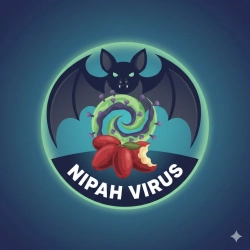
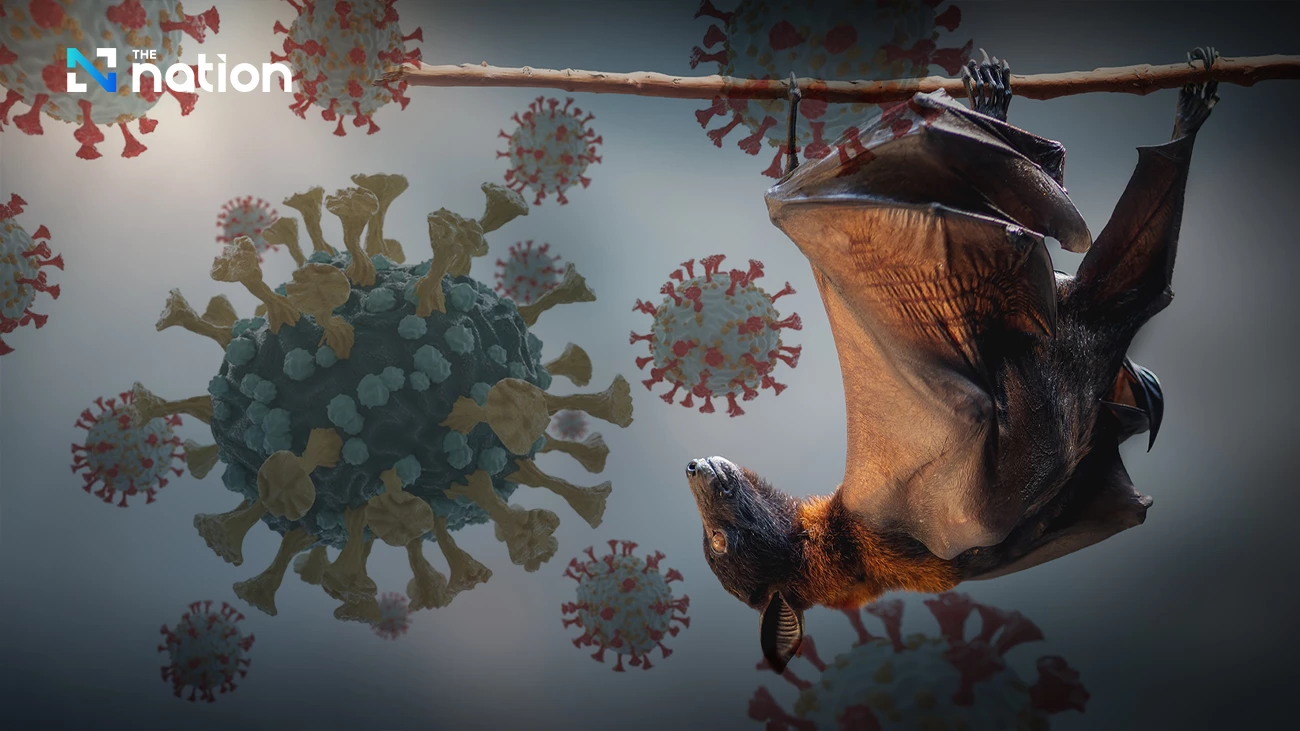
Nipah virus is a “zoonotic” virus, which means it moves from animals to humans. It was first found in 1998 in Malaysia. The natural home for this virus is the
fruit bat (also called a flying fox). These bats carry the virus but do not get sick from it themselves.
In the 2026 outbreak, the cases were found in healthcare workers in West Bengal. This has happened before in the same area in 2001 and 2007. Because the virus can cause severe brain swelling and breathing problems, it is considered one of the most dangerous pathogens monitored by the World Health Organization (WHO).
How Does the Virus Spread?
Understanding how you might catch the virus is the first step in staying safe. There are three main ways it spreads:
- Direct Contact with Animals: You can get the virus by touching infected fruit bats or pigs. This includes contact with their saliva, urine, or droppings.
- Contaminated Food: This is a common way people get sick. Bats often feed on fruits or drink sap from trees. If a person eats fruit that a bat has bitten, or drinks raw date palm sap that has been contaminated, they can become infected.
- Human-to-Human Spread: The virus can move from person to person through very close contact with bodily fluids, like spit or blood. This is why nurses and doctors are at higher risk during an outbreak.
Recognizing the Symptoms
Symptoms usually show up 4 to 14 days after a person is exposed to the virus. It often starts like a common flu, which can make it hard to diagnose early on.
- Early Signs: Fever, headache, muscle pain, vomiting, and a sore throat.
- Respiratory Issues: Some people may develop a bad cough or have a hard time breathing.
- Neurological Signs: In severe cases, the virus attacks the brain. This leads to confusion, dizziness, and extreme sleepiness.
- Critical Condition: If the brain swelling (encephalitis) gets worse, a person can fall into a coma within 24 to 48 hours.
Current Status of the 2026 Outbreak
As of February 2026, the Indian Ministry of Health has confirmed two cases involving hospital staff in West Bengal. Health teams quickly traced nearly 200 people who had contact with these patients. So far, all of those contacts have tested negative.
Neighboring countries like
Thailand, Nepal, and Pakistan have started health screenings at their borders and airports as a precaution. However, the WHO states that the risk of the virus spreading globally is currently low.
Treatment and Prevention
There is currently no vaccine and no specific cure for the Nipah virus. Doctors focus on “supportive care,” which means they help the body stay strong while it fights the infection. This might include using ventilators for breathing or medicine to stop seizures.
How to Protect Yourself:
- Wash and Peel Fruit: Always wash fruits thoroughly with clean water. If a fruit looks like it has been bitten by an animal, throw it away.
- Avoid Raw Sap: Do not drink raw date palm juice or sap. If you do consume it, make sure it has been boiled first to kill any germs.
- Keep Your Distance: Avoid close contact with people who are showing symptoms of the virus.
- Hand Hygiene: Wash your hands often with soap and water, especially after visiting someone who is sick.
Summary for 2026
While the Nipah virus is very serious, the 2026 outbreak in India is being managed with strict isolation and testing. By staying informed and following basic food safety rules, you can significantly lower your risk.
For the latest official updates, always check the WHO Health Alert page or your local health department’s website.
Medical Disclaimer: The information provided in this article is for educational purposes only and is not intended as medical advice. Always seek the advice of your physician or another qualified health provider with any questions you may have regarding a medical condition. If you believe you have been exposed to the Nipah virus or are experiencing symptoms, contact emergency medical services immediately.